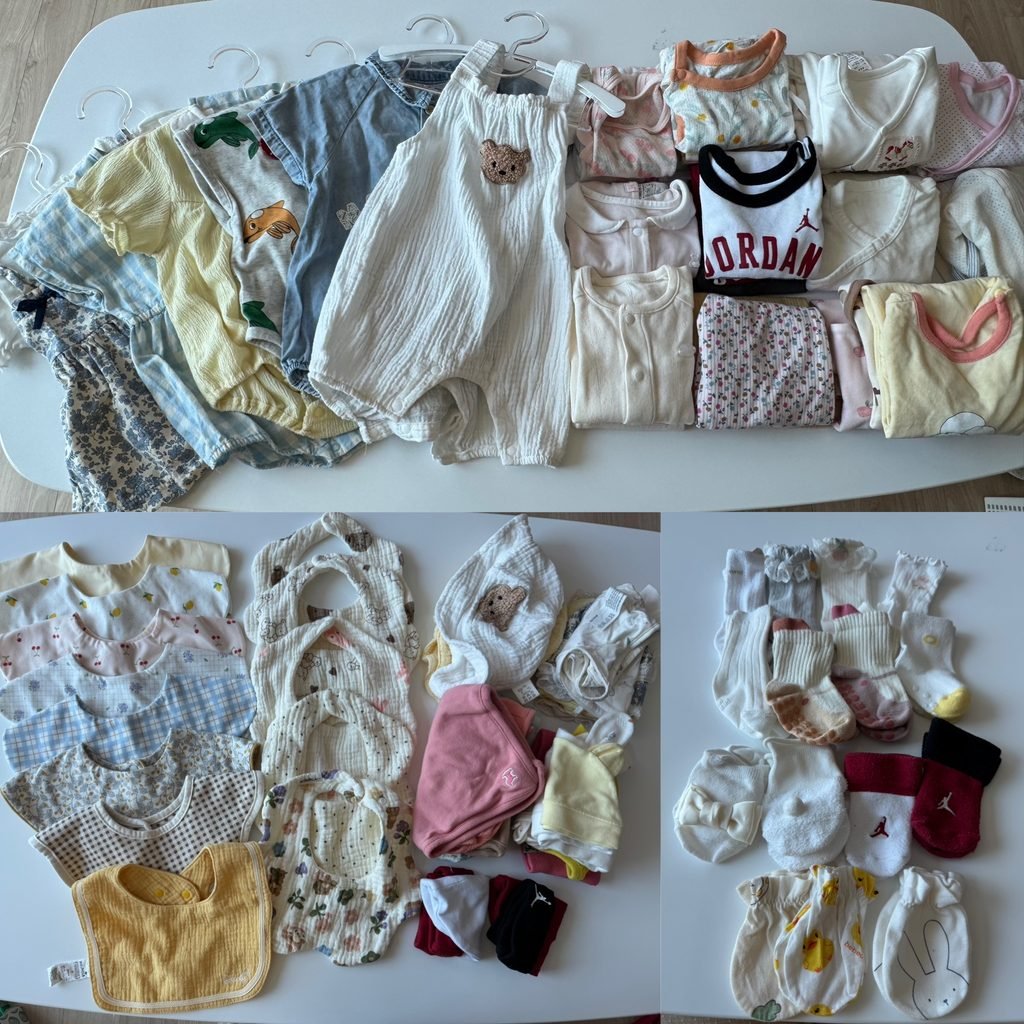
Lately, my son sends me photos of my granddaughter’s clothes quite often.
He mentioned that not only her youngest uncle—my youngest son—but also my eldest son’s close friends sent many beautiful outfits as gifts for her.
I found myself staring lovingly at the photos of these tiny baby clothes sent with so much care.
“Ah, here’s the one her uncle bought, and those are from your friends.”
“Every single one of them is so adorable and pretty.”
Just looking at baby clothes brings a smile to my face without even realizing it.
Baby clothes are truly fascinating.
A tiny dress is lovely on its own, and a cute matching top and bottom set brings a different kind of joy. Even a small bonnet or pair of booties placed next to them looks endlessly precious.
There is an old Korean saying: “Clothes are wings.”
That saying feels so perfectly suited for babies, and even for these tiny baby clothes.
Above all, seeing these clothes filled with the love of her youngest uncle and the warm congratulations from my son’s friends warms my heart deeply.
A generous gift returned as a photo fills our entire family with magnified joy.
This made me reflect deeply: What do clothes truly mean to us throughout our lives?
For a baby, clothes are love.
Parents, family, and loved ones carefully select pretty outfits, imagining the sweet baby who will wear them and smiling with affection.
But as a child grows, clothes become a form of self-expression—revealing favorite colors, personal styles, and how one wishes to be perceived by the world.
And as adults, clothes become an integral part of social life. We have work attire, formal wear for special occasions, and comfortable clothes for home.
From the moment we are born until our final breath, clothes accompany our journey through life.
A Story Remembered from the Caregiving Academy
Thinking about clothes reminded me of a story shared at the training academy I direct.
When our caregiving students finish their classroom coursework, they go on a 5-day field practicum at nursing homes. There, they experience the daily realities of elderly care firsthand.
One student shared her experience from her very first day. Upon entering a resident’s room, she found an elderly gentleman who had taken off his trousers.
For a beginner intern, it was an overwhelming and embarrassing moment.
However, remembering her training, she responded calmly and respectfully.
Hearing her story left me deep in thought.
When a small child takes off their clothes, we find it adorable.
We know they cannot dress themselves yet and simply need help. So parents gently dress them, change them, and bathe them with affection.
However, when a person grows old, suffers cognitive decline, and reaches a stage where they again require another’s assistance, our reaction changes.
We may panic, feel uncomfortable, or judge the behavior.
Yet, even in those awkward moments, there is something we must never forget: That person cannot be defined merely by the single, vulnerable scene in front of us.
That elderly gentleman had a vibrant childhood. He had a passionate youth, worked tirelessly for his family, loved deeply, and was cherished by others.
He walked through countless seasons of life to arrive at this present moment. What we see today is merely one fleeting scene in a long, noble life.
Through conversations with our caregiving students, we hear various experiences involving residents with dementia. Some lose their way to the restroom, while others become temporarily disoriented about where they are.
At first, one might ask in frustration: “Why are they acting like that?”
But as we study dementia and experience caregiving, our question transforms: “What difficulty are they experiencing right now?”
They may have forgotten how to dress, lost their sense of direction, or felt confused by their surroundings.
What they need is not criticism or shame, but quiet, respectful assistance.
We wait patiently for what they can still do on their own, and step in with dignity for what they cannot.
This is the heart of true caregiving: We do not merely care for an action; we care for a whole human being.
The Striking Similarity Between Life’s Beginning and End
Life has a profound symmetry.
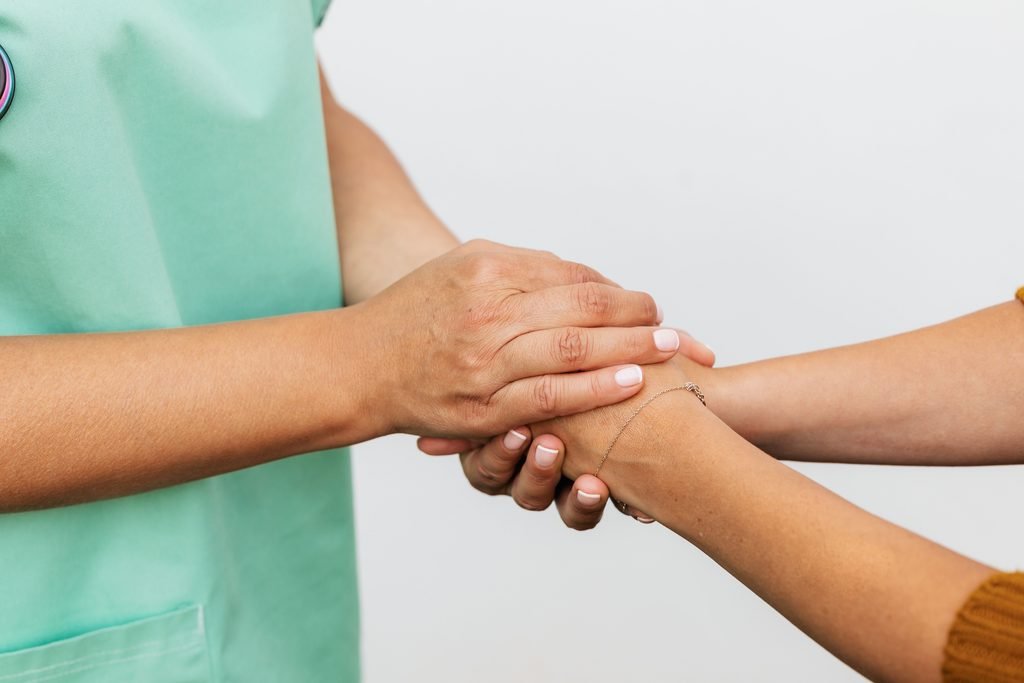
A newborn child receives help from parents to get dressed.
And at the final bend of life’s road, a person may again need gentle hands to help them put on their clothes.
Both the beginning and the end require the compassionate touch of another.
Between those two points, we spend long decades dressing ourselves—wearing uniforms for work, formal wear for family gatherings, and special attire for milestone events.
Clothes quietly observe our changing roles: student, employee, parent, and grandparent.
Thus, clothes are not merely fabric covering our bodies, but a visible mark of how we stand before the world.
What If Your Clothes Disappear in a Dream?
This leads to a fascinating question: What happens when the clothes that protect us in reality suddenly vanish in a dream?
You find yourself in a crowded place, but you are completely undressed.
You desperately want to hide. You feel everyone staring at you. Your face burns with embarrassment.
No matter how hard you search, you cannot find your clothes. Or perhaps you cannot remember where you left a cherished garment.
Even after waking up, an unsettling discomfort lingers.
At this moment, the dream poses a deeper question: Is losing clothes in a dream really about physical garments?
What am I trying so hard to hide in my waking life?
What part of myself am I afraid others will discover?
Am I living under the overwhelming weight of social judgment?
Perhaps what vanished in the dream was not physical clothing, but your ‘social mask’—the armor you wear to protect yourself.
Thus, a dream of nakedness, while uncomfortable, invites us to look at our true, unadorned selves.
Traditional Interpretation: Social Status and Exposure Anxiety
In traditional dream analysis, clothes symbolize social standing, reputation, and roles.
Being naked in public reflects real-world anxiety about having your weaknesses exposed or feeling overly self-conscious about others’ opinions.
When you dream of being undressed in public, the primary feeling is shame. In reality, we hide our weaknesses and put on a strong face. But in dreams, what we try to conceal feels exposed, prompting us to ask: “What am I afraid of revealing lately?”
Losing clothes in a dream carries a similar message. Clothes offer protection and identity; losing them signifies feeling insecure or losing confidence in your career, family, or relationships. Finding lost clothes, on the other hand, symbolizes regaining lost confidence.
Conversely, wearing new clothes symbolizes adapting to new environments, stepping into new roles, or preparing for a new chapter in life.
Psychological and Biblical Perspectives
Psychologically, clothes represent our social identity and self-image. Just as we change clothes according to the situation—for work, exercise, or home—our posture shifts with what we wear. Dreaming of losing clothes challenges us to ask: “Who am I behind the roles I play?”
In Sacred Scripture, clothing carries profound spiritual meaning.
In Genesis, Adam and Eve were initially naked and felt no shame. But after disobeying God, they became aware of their nakedness and made coverings from fig leaves. Clothes reflect humanity’s awareness of vulnerability and shame. Yet, God graciously made garments of skin to cover and protect them—a beautiful picture of divine grace covering human weakness.
Clothing also represents restoration and transformation. When the prodigal son returned home, his father placed the finest robe on him, restoring his dignity and place in the family. Furthermore, the Apostle Paul speaks of stripping off the ‘old self’ and putting on the ‘new self.’ Here, putting on new garments signifies an inner renewal of heart and character.
Clothes Show Who We Are, But Not All We Are
When we first meet someone, we naturally notice their attire. But clothes do not define a person’s true worth. Expensive clothing does not make a good person, nor does worn attire diminish human dignity.
The same applies when we see an elderly resident struggling to stay dressed in a care home. We must never judge a person’s entire life based on a single moment of vulnerability caused by dementia.
What is needed is not judgment, but deep understanding and gentle care. Our character is revealed by how we treat the vulnerabilities of others.
The Best Garment We Can Wear
Every morning before leaving for work, I stand in front of the mirror. I tidy my hair, adjust my collar, and check my appearance.
The mirror reflects the clothes I wear today. But it cannot show what words I will speak, what kindness I will offer, or how much patience I will show to others.
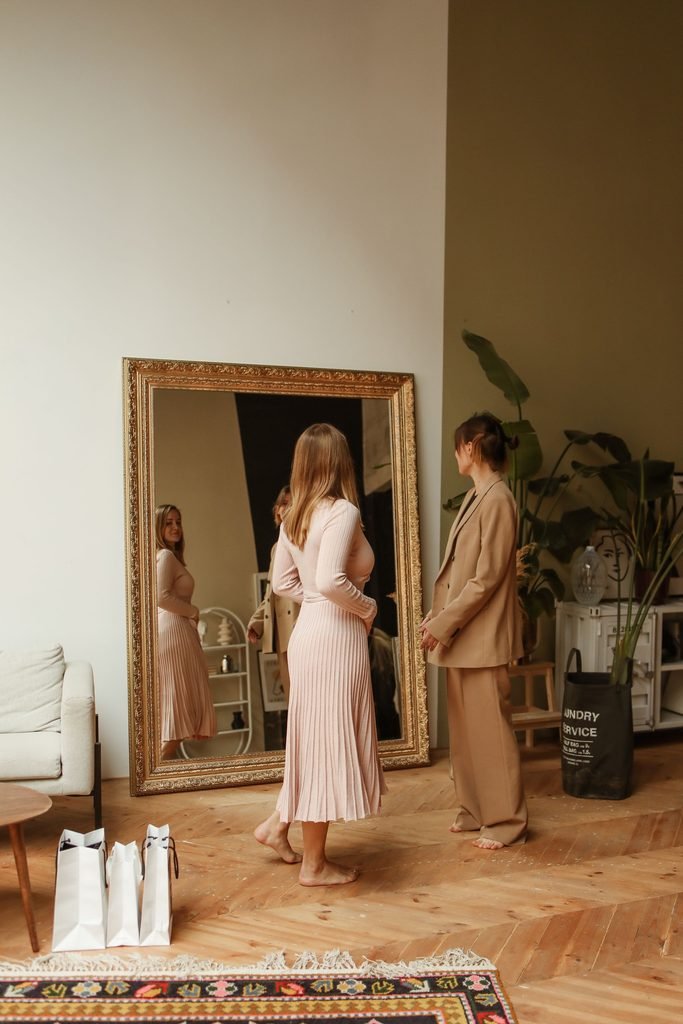
So I ask myself: While physical clothing matters, isn’t the garment of the heart far more important?
A heart that understands a little more.
A heart that waits patiently.
A heart that refrains from judging another’s weakness.
And a heart that forgives even my own shortcomings.
Perhaps “putting on the new self” begins with this small shift in perspective.
The clothes I wear today will be taken off by evening. But the words and actions I offer today will remain in someone’s heart for a long time.
As I step out into the world today, I want to wear something deeper than fabric—I want to clothe myself in respect, empathy, and warm compassion.
Meaning of dreams, Dream interpretation, Dreaming of nakedness, Losing clothes in dream, Caregiving story, Nursing home practicum, Dementia care, Family love, Baby clothes gift, Biblical meaning of clothes, Psychology of dreams, Life wisdom