“Ding-dong—” The doors slide shut, and the numbers rapidly climb: 1st floor, 5th floor, 10th floor…
Every day, we step into elevators without a second thought, traveling effortlessly toward higher ground. Yet, during that brief upward ascent, a chilling, fleeting thought sometimes crosses our minds:
“What if the cables suddenly snap right now and we plummet to the bottom?”
We yearn for higher positions and grand achievements, yet the moment we reach those heights, an instinctive fear of falling takes root. From a dizzying memory atop Guangzhou’s Canton Tower three years ago to traditional dream interpretation, modern psychology, and biblical reflections on ascent and holy hope—let us gently listen to the true voice of our inner hearts.
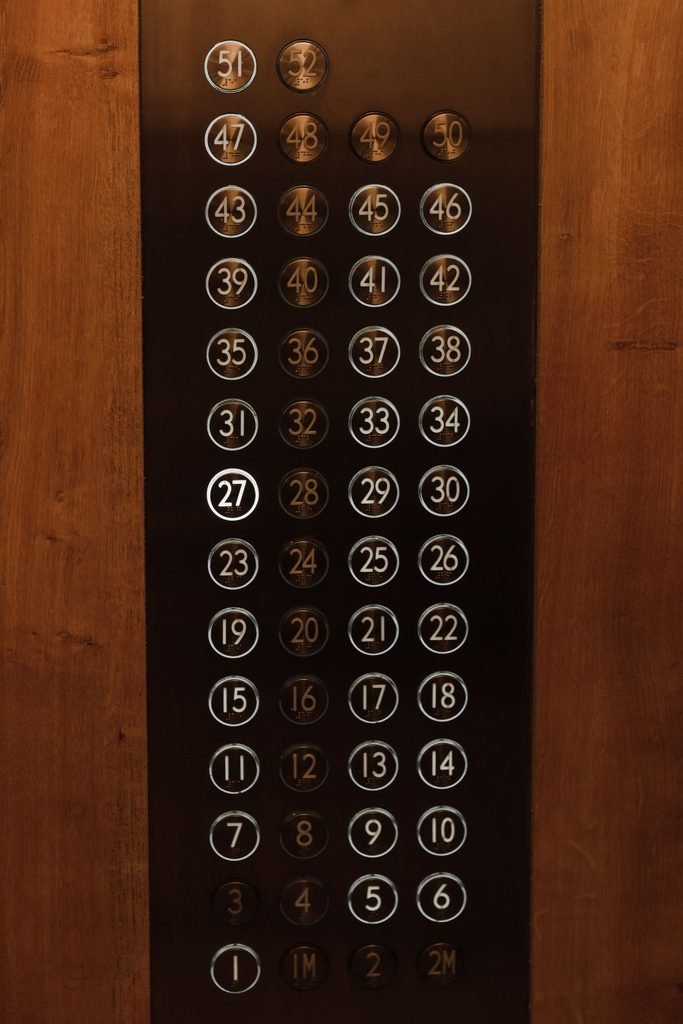
Every morning and evening, we press the elevator button in building lobbies without much thought. As the digital numbers light up on the wall, marking our steady rise floor by floor, we carry on with our ordinary daily routines.
Yet occasionally, a sudden and eerie thought flashes through our minds for no apparent reason.
Our hands tighten slightly around the handrail, and a fleeting vision of snapped cables and falling mechanisms lingers in our imagination. Intellectually, we know that the probability of an elevator plunging in real life is extremely slim.
Nevertheless, the subtle vibrations inside that enclosed space provoke a deeply primal sense of anxiety.
Human nature is quite paradoxical. We all long to climb higher in life. Rather than remaining stagnant, we feel a surge of relief and accomplishment when moving smoothly up to the 5th, 10th, or 20th floor.
However, as we ascend higher, a quiet voice inside us whispers, “If I fall from here, everything is over.”
We crave the rise, yet we dread the fall. Could our nightly dreams of riding an elevator be a mirror reflecting this exact conflict within our subconscious?
About three years ago, during a visit to Guangzhou, China, I had the opportunity to visit the city’s iconic landmark, the Canton Tower. The memory of standing atop that extraordinarily tall structure remains vivid to this day.
Stepping into the ultra-high-speed elevator, watching the numbers spin as we rocketed toward the top observation deck, was purely thrilling. Looking out through the glass panels, seeing the sprawling city of Guangzhou shrink to the size of tiny fingernails, I couldn’t help but marvel in awe.
“Wow, we are truly climbing to a dizzying height!”
Yet, the moment I stepped onto the top observation deck and looked straight down into the vast abyss below, my heart sank, and my legs trembled. A sudden wave of acrophobia and an inexplicable dread washed over me.
While reaching such a height brought a thrill of achievement, realizing just how high I was made me acutely aware of how terrifying a fall would be. At that moment, I asked myself a question:
“Why do human beings yearn so desperately for high places, only to feel overwhelmed by the fear of falling once they arrive?”
This experience closely parallels the competitive drives and achievements of our daily lives. When we strive toward higher milestones, we are fully immersed in the excitement of the pursuit. But once we stand at the top, an underlying anxiety about losing our footing often grips our hearts.
My experience at the Canton Tower three years ago became a profound opportunity to reflect on the psychological mechanics of rising and falling throughout the journey of life.

An elevator is a mechanical device designed to move people and objects vertically. In traditional dream interpretation, elevators frequently symbolize shifts in social status, career transitions, personal goals, and the dynamics of rising or falling in life.
- Rising Smoothly in an Elevator: Represents progress, successful pursuit of goals, advancement in career, or positive personal growth.
- Reaching the Desired Top Floor: Symbolizes entering a new stage of life with accomplishment and fulfilling long-held ambitions.
- Descending or Dropping Quickly: Reflects feelings of insecurity regarding your current standing, declining self-confidence, or a fear of losing status.
- Getting Stuck or Malfunctioning: Indicates obstacles in ongoing projects, unexpected delays, or a feeling of losing control over your circumstances.
- Plummeting or Falling Abruptly: Points to an intense fear of failure, overwhelming pressure, or anxiety that life balance might collapse.
In traditional folklore, ascending to high places has long been viewed as a favorable sign of promotion or growth, whereas falling from cliffs or ladders signified setbacks. For humanity, height has always represented power and achievement, while falling symbolized a threat to survival.
However, dream interpretation should never be viewed as an absolute prophecy. A dream is simply a gentle guide, reflecting the current temperature of your inner world.
In modern sleep psychology, elevator dreams are often viewed as internal reactions to rapid life transitions.
When undergoing major life changes—such as starting a new business, changing careers, or entering new relationships—elevator dreams occur with greater frequency. If you dreamed of an elevator rising rapidly while feeling a sense of panic, what might your subconscious be telling you?
It might be a candid internal confession: “My life is moving forward quickly, but a part of me feels overwhelmed. What if it all collapses in an instant?”
The core psychological key lies not in the ascension itself, but in the emotion felt while ascending. Feeling joyful indicates inner confidence, whereas feeling fearful highlights anxiety regarding heavy responsibilities and rapid pace. Similarly, dreaming of falling is rarely a prediction of actual disaster; rather, it is a projection of your fear of losing control.
Throughout Scripture, we find narratives of humanity attempting to ascend to great heights, contrasted with divine events where God raises people up through grace.
A notable example is the Tower of Babel in Genesis Chapter 11. Mankind sought to build a tower whose top would reach into the heavens, aiming to make a name for themselves. The Tower of Babel stands as a striking reminder of human pride attempting to climb by self-effort, and the tragic downfall that follows self-exaltation.
In contrast, Scripture also reveals a grace-filled ascension: Jacob’s Ladder. In his dream, Jacob saw a ladder set up on the earth with its top reaching to heaven, and the angels of God ascending and descending on it. While the Tower of Babel was a monument of human ambition built from below, Jacob’s ladder was a bridge of grace initiated by God from above.
Furthermore, Scripture offers believers a glorious promise of divine lifting—the Blessed Hope of the Rapture described in 1 Thessalonians and Titus:
“For the Lord Himself will descend from heaven with a shout, with the voice of an archangel, and with the trumpet of God. And the dead in Christ will rise first. Then we who are alive and remain shall be caught up together with them in the clouds to meet the Lord in the air.”
— 1 Thessalonians 4:16–17
“Looking for the blessed hope and glorious appearing of our great God and Savior Jesus Christ.”
— Titus 2:13
Ascending through human ambition or worldly elevators, much like the Tower of Babel, always carries an underlying fear of falling.
However, being raised up by the Lord at the sound of the heavenly trumpet is an ascension entirely free from fear—a movement into eternal rest and unshakeable glory. When we anchor our hearts in this blessed hope, we find profound peace regardless of life’s earthly ups and downs.
Is dreaming of rising always a positive sign, and dreaming of falling inherently bad? Not necessarily.
Rising high does not guarantee effortless success, nor does descending mean permanent failure. What matters most is what your inner self felt during the experience:
- Did your heart feel light and at peace as you ascended?
- Did you feel overwhelming gratitude and joy upon reaching the top?
- Or did you experience dizziness and fear when looking down from the heights?
- Did panic set in when the elevator unexpectedly paused?
I still vividly recall the dizziness I felt looking down from the top of Canton Tower three years ago. The ride up was exhilarating, but once at the top, I deeply appreciated the safety of firm ground.
We naturally desire progress and higher goals, but we also deeply long for safety and stability once we arrive. The subtle vibration inside a rising elevator is perhaps the most honest voice of our inner hearts, striving to maintain balance between achievement and security.
Dreams are not fortune-telling formulas. They are compassionate mirrors of the soul, reflecting the unspoken anxieties and hopes we carry through our busy lives.
If you find yourself riding an elevator in your dreams tonight, pause and gently ask yourself:
- “What goals am I striving to reach right now?”
- “What is the true underlying fear that makes my heart anxious?”
- “Am I walking my path with a steady heart, looking toward ultimate hope and peace?”
Reading a dream is not about predicting numbers or fate. It is a meaningful journey of stepping back, catching your breath, and gazing warmly into the depths of your own heart.
ElevatorDream, DreamInterpretation, DreamMeaning, FearOfFalling, PsychologyOfDreams, CantonTower, SelfReflection, LifeLessons, BiblicalPerspective, JacobsLadder, BlessedHope, SpiritualGrowth, DreamJournal, PersonalReflection, InnerPeace