
“Fire seems like a destructive force that turns everything to ashes, but within it lies the grand secret of purification and guidance—burning away impurities to forge pure gold and illuminating the darkness.”
“Director, I had a dream last night where my house burned down to ashes! I searched online and people say it brings huge financial luck. Should I buy a lottery ticket?”
Most people have experienced waking up startled after seeing roaring flames in a dream. Historically, traditional folklore has considered fire dreams a classic omen of prosperity and sudden wealth.
However, viewing dreams through the lens of human psychology and life’s deeper journey, ‘fire’ in a dream is not merely a lottery number prediction. It is a signal of a grand reset and refining process that burns away impurities in our lives to help us emerge as stronger, nobler individuals.
Table of Contents
- Ashes, a Burned Friend, and Children’s Innocent Eyes
- The Warmth of the Underfloor Hearth and Memories of Wok-Fried Frogs
- Full Moon Fire Cans: Ancient Wisdom of Korean Folk Traditions
- Fire in Western Classics and Scripture: The Mystery of Refining and Guidance
- Psychological Interpretations of Fire Dreams by Scenario
- Looking Into the Flames Burning in Your Life Tonight
1. Ashes, a Burned Friend, and Children’s Innocent Eyes
“If you play with fire, you’ll wet the bed tonight!”
That was a common warning from elders during my childhood in rural South Korea. To young children, fire was fascinating yet dangerous. Before I even entered elementary school, I witnessed the terrifying reality of fire firsthand.
Back then, our village still had traditional thatched-roof houses. On one dry day, a massive fire broke out at the house of an older boy I used to play with regularly.
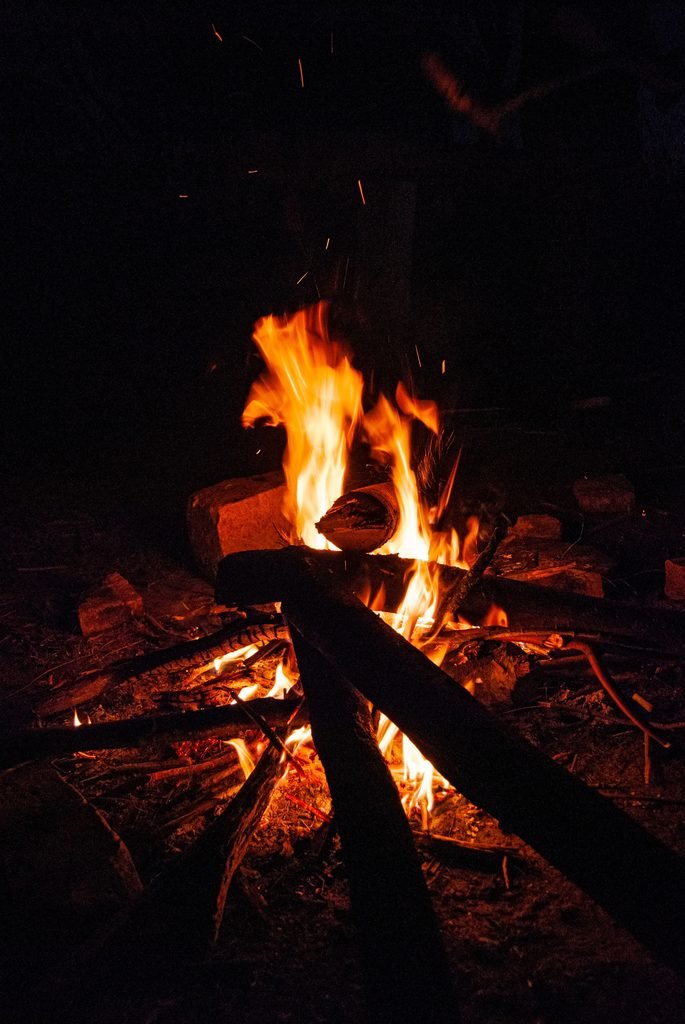
The roaring red flames and thick smoke left a deep fear in my young heart. Tragically, the boy suffered severe facial burns from the accident.
“True human connection is built not on outward appearances, but on shared warmth and memories.”
Surprisingly, my friends and I were never afraid of him. Because he was the kind older brother who had always taken care of us as we ran through the fields together, we hung out with him as naturally as before. However, children visiting from other towns would flinch and run away when they saw his face.
Even as a child, that experience taught me a profound truth: genuine relationships between people are rooted in shared warmth and heartfelt memories, not superficial looks.
2. The Warmth of the Underfloor Hearth and Memories of Wok-Fried Frogs
Fire was not always terrifying or cruel. When cold winters arrived, my father would wake up at dawn to chop firewood in the yard and light a fire in the underfloor hearth (Agunji). Steam would rise from the large cast-iron cauldron as feed for the farm animals boiled, and the cozy heated floor (Ondol) melted away the winter cold for our entire family.
In summer and autumn, my friends and I would rush to the stream with handheld nets to catch minnows, and occasionally, frogs in the rice fields.
Without letting my mother know, we would toss the caught frogs into a scorching hot cast-iron wok.
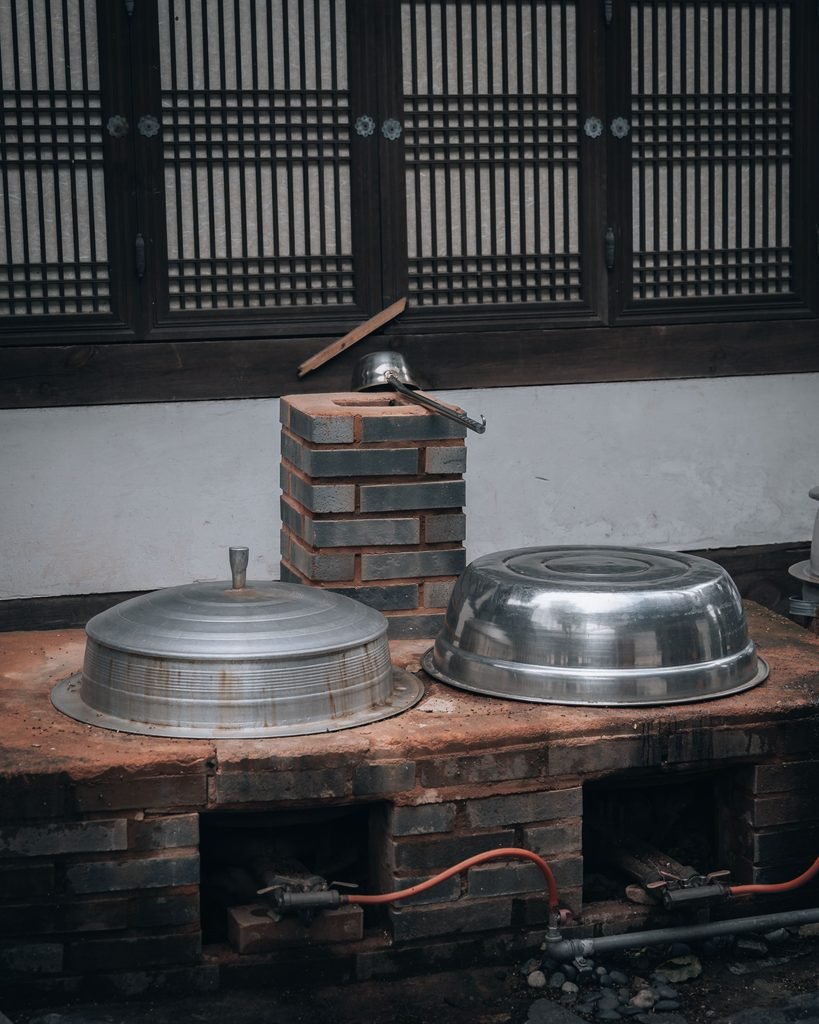
Even without adding oil, the natural oils from the frogs would crisp them up perfectly. Sprinkled with a touch of salt toward the end, that savory taste remains unforgettable to this day.
It might sound hard to believe now, but for rural children in those days, it was more than just satisfying hunger—it was a rich, joyful memory of childhood shared in the open fields.
3. Full Moon Fire Cans: Ancient Wisdom of Korean Folk Traditions
During elementary school, the most anticipated traditional holiday was Jeongwol Daeboreum (the First Full Moon of the Lunar New Year). Days in advance, we would punch holes in tin cans using nails and hammers, attach wire handles, and create our own “Rat Fire Cans” (Jwibulnori).
Gathering along pitch-black rice paddies, we placed glowing charcoal inside the cans and swung them in circles toward the night sky. Beautiful arcs of red sparks drew magical rings against the dark backdrop. Shouting with excitement while burning weeds along the field ridges, those nights were a true festival for the local children.
“To our ancestors, fire was not mere destruction; it was wisdom to burn away past misfortune and prepare for new life.”
As I grew older, I realized Jwibulnori was far more than a simple game. Burning off dry grass along field ridges killed pest eggs and weeds hidden during winter, ensuring a fruitful farming season in spring.
To our ancestors, fire symbolized a vitalizing force that burns away the old to initiate a brand-new season of life.
4. Fire in Western Classics and Scripture: The Mystery of Refining and Guidance
From symbolic and biblical perspectives, fire operates through a sophisticated psychological and spiritual mechanism.
In the Book of Exodus, Moses receives his divine calling at Mount Horeb from a burning bush that miraculously is not consumed by the flames. Here, fire signifies holiness, divine presence, and purpose.
Furthermore, during the 40-year journey through the wilderness, a pillar of fire illuminated the path for the Israelites every night amidst the freezing desert dark.
“The pillar of fire in the wilderness was not just light in the dark; it was a grand beacon offering direction to those wandering in uncertainty.”
The fires that cross our paths in modern life serve a similar purpose. As scripture notes, “The crucible is for silver and the furnace is for gold,” emphasizing that humans are refined through fire to become like pure gold.
Pure gold is never produced in a single burn. It must undergo intense heat thousands of degrees hot, melting metal and repeatedly skimming off floating impurities until only pure gold remains.
Our lives reflect this exact process:
- The lonely and challenging years spent living abroad
- Business setbacks and financial difficulties after investing everything
- Sudden fear and physical pain brought on by health challenges
In those moments, we might weep and ask, “Why am I facing such fierce flames?” Yet looking back, those scorching trials were furnaces that burned away vanity and pride, as well as pillars of fire illuminating our way through dark seasons of life.
5. Psychological Interpretations of Fire Dreams by Scenario
What message might the fire in your dream be delivering tonight?
- 🔥 Dreaming of Your House Burning to Ashes: Indicates that current life constraints, old habits, or suppressed emotions have reached a breaking point. It is a powerful “Reset” sign, symbolizing that past pain is burned away to make room for a fresh second chapter in life.
- 🕯️ Dreaming of Struggling to Light a Fire That Keeps Going Out: A subconscious warning that while you desire to start something new, your preparation or confidence may be lacking, or internal anxiety is dampening your passion.
- 🌋 Dreaming of a Wildfire or the World Covered in Flames: Represents a massive surge of energy, indicating significant career achievements, public honor, or grand life transformations extending beyond personal scope.
6. Looking Into the Flames Burning in Your Life Tonight
When someone tells me they dreamed of fire, I do not simply say, “Go buy a lottery ticket tomorrow.”
A dream is not a fortune-telling tool that dictates the future; it is a gentle letter from your subconscious, encouraging you to reflect on yourself and recalibrate your life’s compass.
If you recently saw intense flames in a dream, consider looking inward before rushing out to buy a lottery ticket:
“What greed or negative thoughts do I need to burn away in my life right now?”
“Through the flames of this current trial, what kind of refined, stronger person am I becoming?”
Just as the warm hearth fire warmed our entire home during cold winter nights, I sincerely hope that the fire in your heart today burns away all anxiety and leaves only the warm comfort of hope and renewal.
Fire dream meaning, Dream interpretation, House fire dream, Biblical meaning of fire, Psychological meaning of dreams, Korean folk traditions, Jwibulnori, Personal growth, Overcoming trials, Meaning of fire in dreams, Spiritual refining, Self reflection