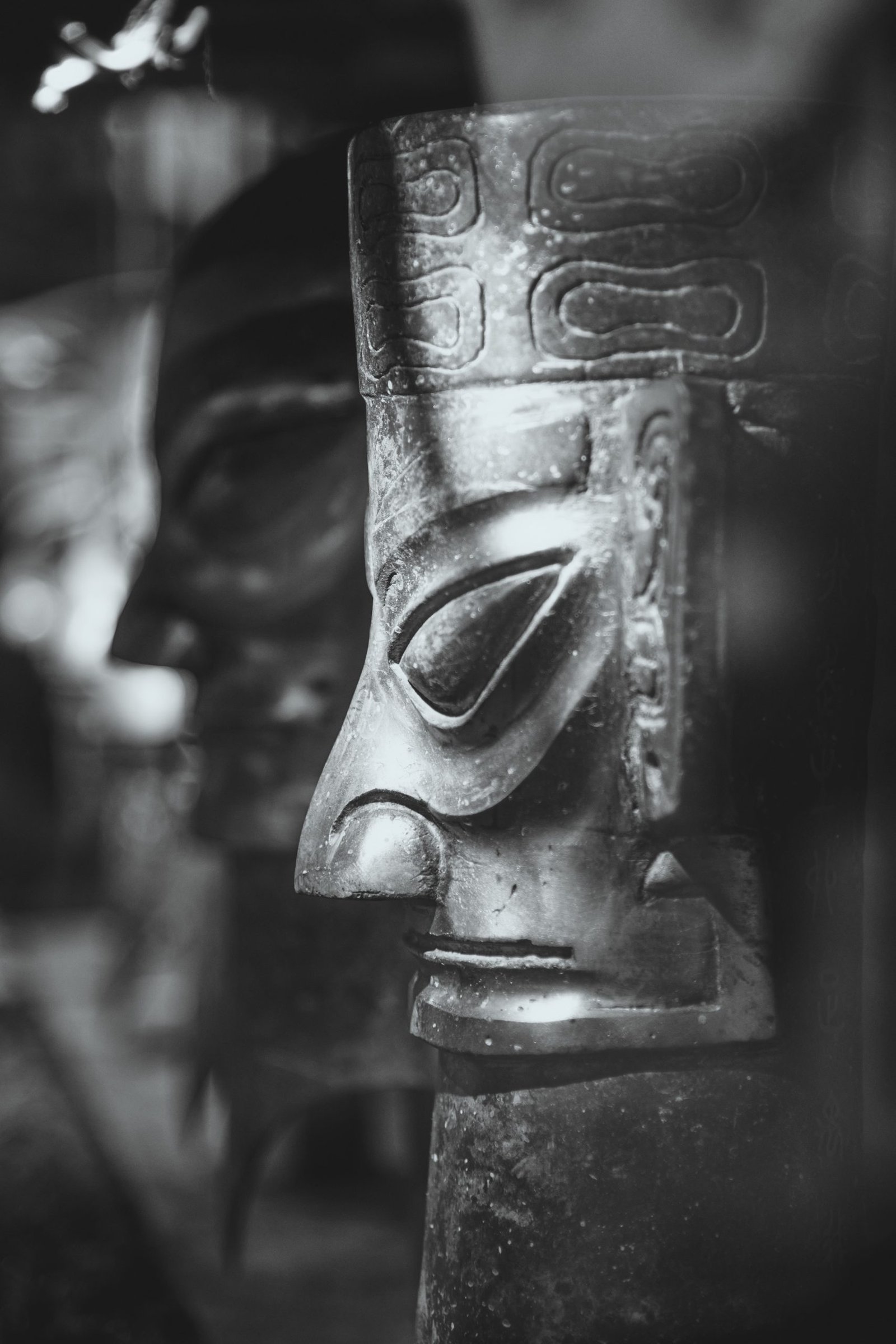
“Mom, Dad… I just saw a ghost.”
On a warm summer night during a family vacation overseas, a terrified voice echoed from our eldest child in the hotel room just before dawn, sending a chill through the entire family.
As the eldest cried out in fear, the younger children froze in terror, turning the quiet night into utter chaos. Was the child fully awake, or were they witnessing a phantom hallucination at the hazy boundary between dreams and reality?
Every summer, stories of ghosts and spirits invariably become hot topics across broadcasts, horror movies, and casual chats. Countless individuals find themselves gripped by profound fear after encountering grotesque phantoms in their dreams or experiencing terrifying episodes of sleep paralysis.
Are the “ghosts” commonly discussed in traditional culture truly supernatural spiritual entities? Or are they mere illusions forged by human anxiety and long-standing cultural beliefs?
Photo by PexelsAttending ancestral memorial ceremonies from childhood through middle school, a honest and simple question frequently crossed my mind while observing the adults.
Toward the end of the ceremony, adults would always quietly crack open the room door or sliding entrance, believing that the spirits of deceased grandparents needed to enter freely to enjoy the prepared feast.
Even as a child, a curious thought arose:
“If a ghost is truly the departed spirit of a deceased person, shouldn’t it be able to pass right through walls and closed doors? Why would we need to open the door for them?”
This simple childhood observation highlights how irrational and shamanistic elements have been deeply embedded in traditional ancestral worship and ritual customs under the guise of “tradition.”
It reveals a clear contradiction: believing that a deceased soul becomes a supernatural entity capable of transcending physical space, while simultaneously assuming it requires a human to unlock a physical door to enter.
Does the term “ghost” or “spirit” frequently appearing in translations refer to departed human souls wandering the earthly realm?
While dictionary definitions often define a ghost as the departed spirit of a human, biblical teaching firmly rejects the concept that human souls become wandering ghosts after death.
A comparison between different biblical translations of 1 Corinthians 10:20 clarifies this distinction:
- Korean Revised Version: “The things which Gentiles sacrifice, they sacrifice to ghosts and not to God…”
- King James Version (KJV): “But I say, that the things which the Gentiles sacrifice, they sacrifice to devils, and not to God…”
The original context of “sacrifice” in this scripture refers not to Confucian ancestral worship rituals, but to pagan acts of offering sacrifices to idols and fallen spiritual forces.
Scripture clearly teaches that upon death, the human soul immediately transitions to its eternal destination (Luke 16). There is no intermediate earthly realm where spirits freely wander as ghosts or ancestral specters.
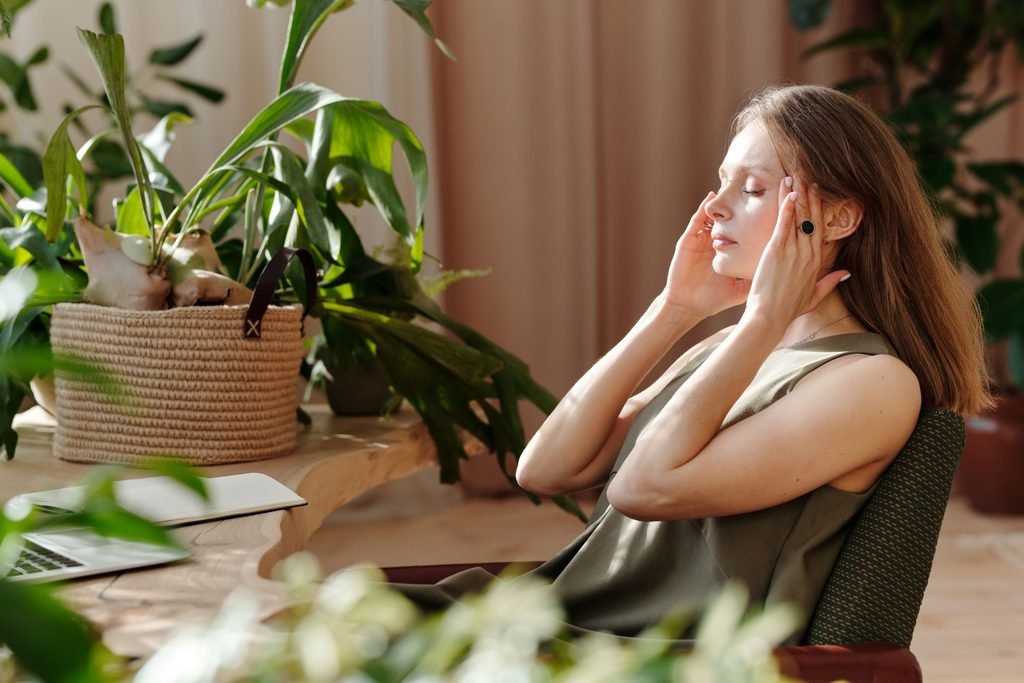
Photo by Pexels Examining theological terms and classic definitions reveals a sharp distinction between the Devil and the concept of a Demon originating in ancient pagan thought.
- Devil: In Christian theology, this refers to Lucifer—the fallen angel expelled from heaven after rebelling against God—and the chief of evil spiritual forces.
- Demon: Derived from ancient pagan shamanism (such as ancient Greece or Asia), this concept described a semi-divine spirit positioned between gods and humans, or the spirit of a deceased person. Philosophers like Socrates referred to a “daimon” as an guiding spiritual presence.
While many ancient non-monotheistic traditions viewed these entities with reverence, biblical theology categorizes all such spiritual forces opposing God as evil spirits or demons.
Therefore, extreme practices aiming to appease or chase away wandering “ancestral ghosts” stem from a fusion of folk shamanism and linguistic misunderstandings rather than sound scriptural principles. Biblical theology maintains that human spirits do not linger on Earth as ghosts.
Apart from theological perspectives, a practical question remains: “Why do we see ghosts in our dreams and wake up in sheer terror?”
Brain science and modern sleep psychology explain this phenomenon through sleep mechanisms and psychological pressure rather than supernatural events:
① Sleep Paralysis Phenomenon
The most common cause of nighttime hallucinations—similar to what our eldest child experienced at the hotel—is sleep paralysis. During REM (Rapid Eye Movement) sleep, muscle tone is suppressed so the physical body cannot move, but the conscious mind wakes up first.
Recognizing the body’s immobility as a high-stress emergency, the brain synthesizes visual hallucinations to make sense of the panic, often projecting intimidating figures or terrifying phantoms.
② Projection of Suppressed Stress and Anxiety
In psychology, a phantom appearing in a dream represents overwhelming anxiety, guilt, or suppressed emotions that a person hesitates to confront directly in waking life:
- Unresolved, extreme daily stress or emotional burnout
- Deep resentment, lingering hurt, or unexpressed anger
- Internal moral conflict or heavy apprehension about the future
When these internal struggles remain unaddressed during waking hours, the subconscious utilizes the visual screen of a dream to transform that emotional weight into intimidating figures, serving as an internal alarm.
Waking from a nightmare or an episode of sleep paralysis often leaves people feeling unsettled, fearing that an ill omen lies ahead. However, we can shift our perspective with clarity:
- Release Unnecessary Fear: The idea that a deceased soul returns as a ghost to cause harm aligns neither with sound scriptural teaching nor scientific fact. There is no need to be shaken by baseless folklore or superstitious dread.
- Listen to Internal Signals: A phantom in a dream is a clear signal that your body and mind are exhausted. Take time to reflect: “Am I carrying unmanageable stress lately?” or “Is there unresolved anxiety I need to address?”
- Focus on Rest and Daily Well-Being: Rather than seeking superstitious remedies or dwelling in fear, calm your mind, establish a healthy sleep routine, and focus on restoring balance to your daily life.
Just like the midnight commotion caused by our children crying out in a hotel room overseas, we too sometimes construct fearful phantoms in the dark uncertainties of life.
Yet, what truly dispels that darkness is not a superstitious ritual, but the clear logic born of calm reflection, the courage to face our internal feelings directly, and the lasting peace found in truth.
DreamInterpretation, GhostDreams, SleepParalysis, PsychologyOfDreams, BiblicalPerspective, UnderstandingFear, MentalHealth, SleepScience, InnerPeace, MindfulLiving, OvercomingAnxiety, FaithAndLife, PersonalGrowth, TruthAndClarity, DreamAnalysis