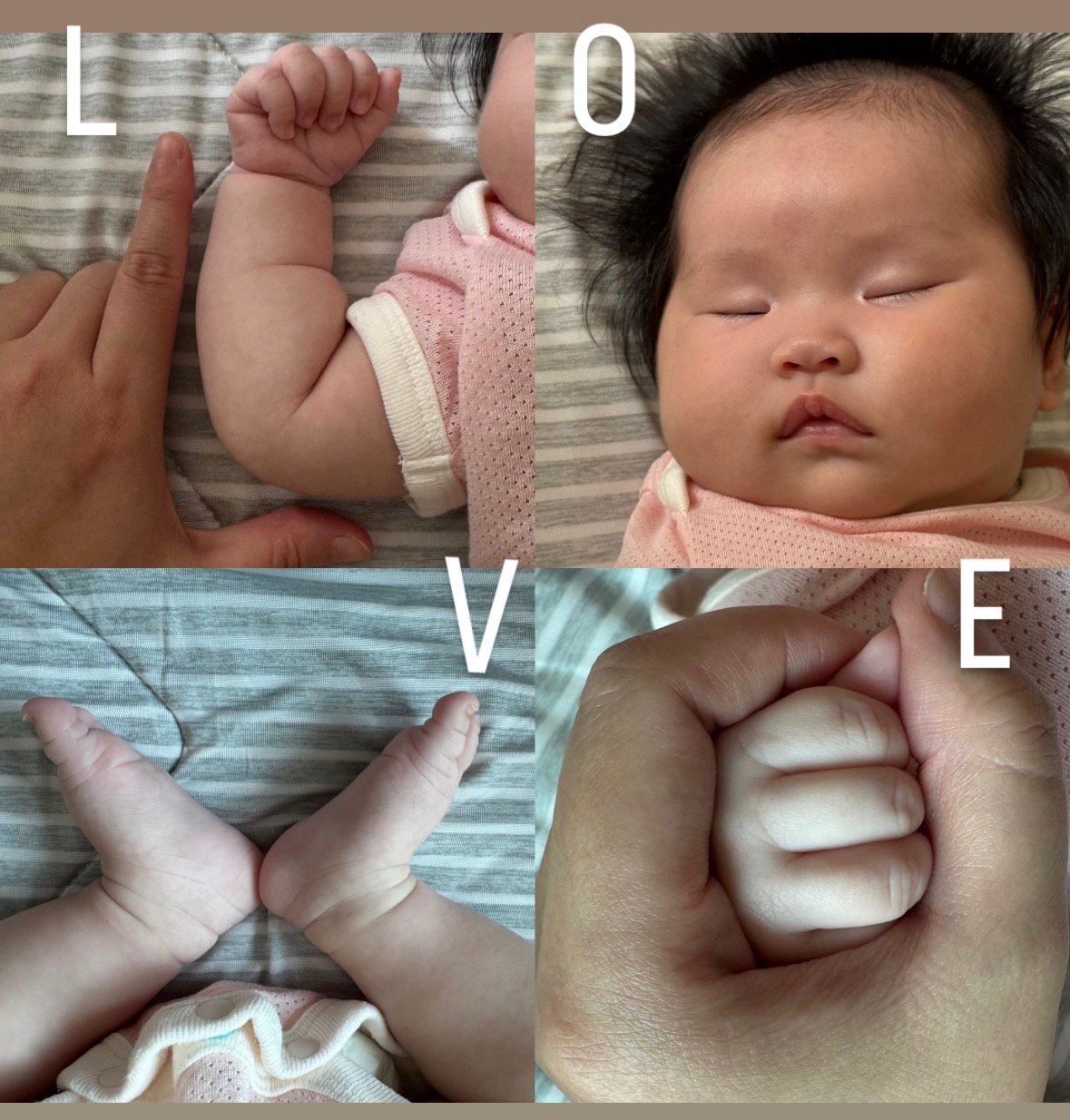
“Is a conception dream a secret signal from the heavens revealing what kind of person the unborn child will become?”
Welcoming a new life is one of the most wondrous moments in human experience. In Korean culture, the “Taemong” (conception dream) is a cherished tradition. Whether it is dreaming of embracing giant fruits, or watching dragons and tigers ascend into the sky, families naturally try to discern the child’s future, personality, or gender through these vivid symbols.
How does this unique cultural phenomenon compare to the sacred dream narratives found in the Bible?
Scripture frequently records dreams and divine prophecies surrounding life—from Jacob and Joseph in the Old Testament to Joseph, the earthly father of Jesus, in the New Testament. However, biblical dreams often carry a divine mandate and epochal purpose that transcends individual destiny.
In contrast, Korean conception dreams serve as a tender blessing, celebrating a person’s deep bond with the world and their family.
In this 5th episode of our series, we compare the Korean tradition of conception dreams with the sacred dreams of the Bible, exploring the shared awe and love both perspectives hold for new life.
“The true reason a conception dream remains etched in memory for a lifetime is not because of its mystical nature, but because of the deep love and hope poured into it.”
💡 Index
- Why Do Conception Dreams Remain so Vivid in Our Memories?
- My Mother’s Story: Three Baby Tigers Walking Into the House
- Why Korean Culture Cherishes Conception Dreams
- Are There Conception Dreams in the Bible? (Distinguishing the Two Josephs)
- Crucial Differences Between Conception Dreams and Biblical Dreams
- [Epilogue] What Lasts Longer Than Dreams Is Always Love
“I had a conception dream.”
This is a familiar phrase in Korean households. The belief that a special dream precedes or accompanies the arrival of a new child has deep roots in Korean history. These dreams are often experienced directly by the mother, but they can also be dreamed by fathers, grandmothers, or close relatives.
- Symbols of Nature and Life: Tigers, dragons, peaches, flowers, clear water, or shimmering gems.
- Cultural Significance: Families assign rich meaning to these natural symbols, eagerly anticipating the child’s arrival with joy and hope.
The true value of a conception dream does not lie in whether it accurately predicts the future. Its real value rests in the fact that it serves as a vessel carrying the sincere love, hopes, and prayers of an entire family awaiting a new life.
As shared briefly in Episode 3, I hold a personal conception dream story that I can never forget.
Before I was born, my mother had a vivid dream: three dignified yet adorable baby tigers walked proudly into our home. She recalled how endearing they looked and how she embraced all three of them tightly against her chest with deep warmth.
When I first heard this story around middle school, I dismissed it as a simple, interesting tale. My mother was a quiet, gentle woman who rarely spoke at length, but one afternoon she told me softly:
“Before you were born, Son, I had a dream like this.”
Back then, my only focus as an active youth was flinging my schoolbag onto the porch the moment I got home and rushing out to the creek with friends, splashing in the water until sunset. I didn’t ponder her words deeply at the time.
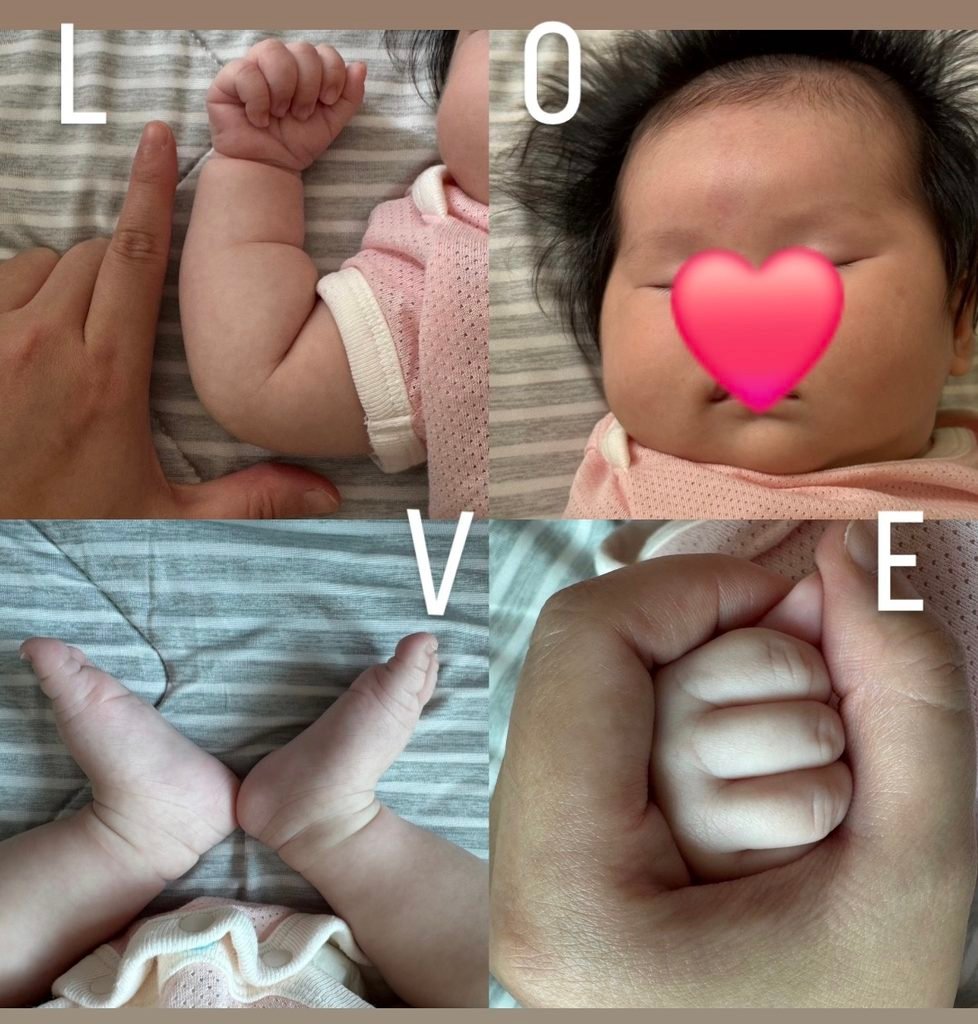
Decades passed. I started a family of my own, and recently, while quietly gazing at a photograph sent by my son showing the tiny, delicate feet of my newborn granddaughter, my mother’s voice and expression from that afternoon came rushing back to my heart.
In that quiet moment, I realized something profound: what truly mattered was not the grand symbol of the tigers, but the warm emotion of embracing three new lives and the lifelong maternal love with which she looked upon me every single day.
In past eras, medical equipment like ultrasound scans did not exist. There was no way to know beforehand whether an unborn child was healthy, or whether the baby was a boy or a girl.
Consequently, the earnest hopes, affection, and prayers of parents and entire villages manifested in the form of “Taemong” storytelling.
| Symbolic Element | Traditional Cultural Meaning |
| Tiger / Dragon | Valor, strength, and a high-spirited figure destined for leadership |
| Flowers / Fruits (Peaches) | Beauty, gentleness, abundance, and lifelong blessings |
| Clear Water / Jewels | Purity of character, wisdom, and a life of precious service |
📌 Note on Cultural Context:
These interpretations represent traditional folk culture built over generations. Because interpretations vary greatly across eras and regions, a conception dream should be viewed not as a deterministic prophecy, but as a warm family memory surrounding new life.
Those interested in theology or the humanities often ask: “Does the Bible contain conception dreams like Korean culture?”
Strictly speaking, the Bible does not contain a concept that directly matches the cultural tradition of Korean conception dreams. However, Scripture frequently shows God using dreams as a channel to communicate His sovereign will and divine messages to humanity.
When reading Scripture, it is helpful to distinguish between two prominent figures named Joseph:
Joseph of the Old Testament (The Interpreter of Dreams)
- The 11th son of Jacob, who had prophetic dreams about his own future during childhood.
- Later, through God-given wisdom, he accurately interpreted the complex dreams of the Egyptian Pharaoh.
- Overcame trials, imprisonment, and hardship to become Prime Minister of Egypt, ultimately saving his nation during famine.
Joseph of the New Testament (Earthly Father of Jesus)
- The husband of Mary, who quietly obeyed God’s redemptive plan during the birth of Jesus Christ.
- An angel of the Lord appeared to him in a dream, saying, “Do not be afraid to take Mary home as your wife,” guiding him to align with God’s holy purpose.

While both involve the medium of dreams, their core purposes and attributes differ fundamentally:
- Conception Dreams (Cultural Heritage): Emotional legacies filled with family affection and hopes for welcoming new life.
- Biblical Dreams (Divine Revelation): Sacred instruments designed to convey God’s sovereign will and redemptive messages that transcend individual human desires.
The Bible warns against placing superstitious reliance on dreams as absolute guides for daily life. Instead, Scripture emphasizes living faithfully today—practicing love, integrity, and truth in our everyday actions.
As time passes, I find myself recalling my mother’s gentle gaze and soft tone far more often than the mystical image of the three baby tigers.
In her quiet words rested the entire heart of a parent who eagerly awaited an unborn child and embraced those three tigers deep within her soul.
“We do not merely remember the dream itself; we remember the person whose warm love surrounded us through that dream.”
A conception dream is not a mystical tool for telling fortunes, but a lifelong token of love carved into our lives. Today, take a quiet moment to reflect on the warm words and unconditional love passed down by those who welcomed you into this world.
DreamInterpretation, KoreanCulture, Taemong, ConceptionDreams, BiblicalPerspective, FaithAndLife, ParentingJourney, FamilyLegacy, LoveAndGratitude, BibleStudy, MeaningOfDreams, MindfulLiving, PersonalReflection, GenerationalLove, CulturalInsights