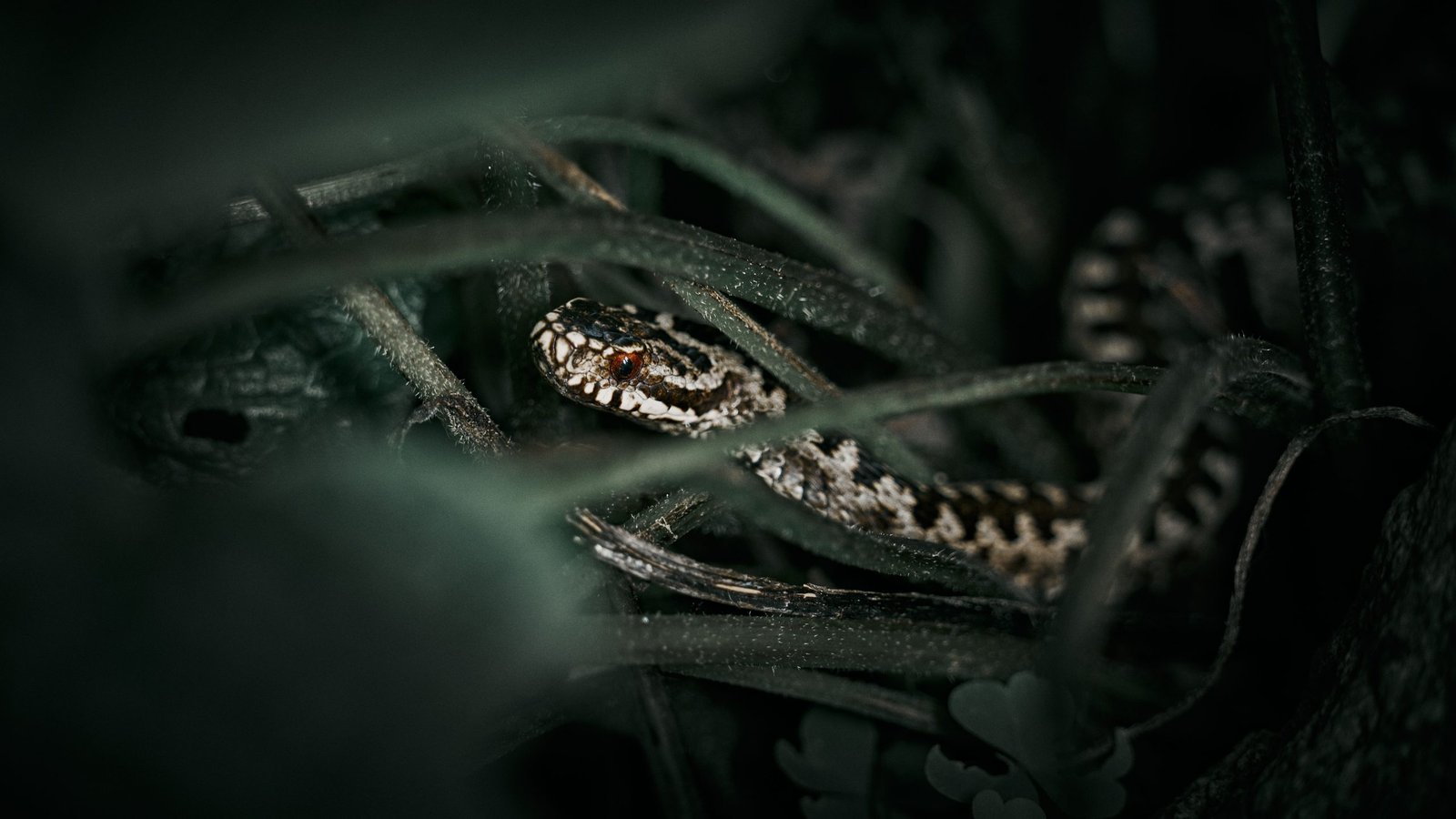
“As a child, snakes were cold, terrifying creatures I wouldn’t dare approach. Yet decades later, what lingers far clearer than fear is the laughter of childhood friends echoing across muddy field paths—and the warm, earthy scent of the countryside that embraced us all.”
Welcome to the 6th episode of our series, where we journey through everyday memories to uncover human, psychological, and spiritual insights.
In our previous episode, we compared Korean conception dreams with the biblical story of Joseph, reflecting on the deep, unconditional love of parents that underpins both traditions.
Today, we delve into one of the most intense, mysterious, and universally intriguing symbols in both world culture and Scripture: the snake.
💡 Index
- “Why Did the Snake Speak in Genesis?” — The Spark of Curiosity
- Memories of Muddy Paths: Mudfish under Straw Mats and a Taste of Childhood Courage
- Snakes in Korean Tradition: Sacred Guardians, Wealth, and Vitality
- Decoding Snake Dreams: Python, White Snake, Viper, and the Mind
- Variations of the Snake in Scripture: Genesis, the Bronze Serpent, and Revelation
- [Epilogue] The Warmth That Remains Beyond Dreams and Fear
When people first read the Book of Genesis or approach it with historical curiosity, one of the first questions that pops up is surprisingly straightforward:
“Genesis says the snake spoke to Eve… Did snakes actually talk like humans back in the day?”
This storybook-like premise has sparked deep human curiosity for thousands of years. Did a serpent physically utter audible words to tempt humanity, or was the creature used as a vivid symbol for the subtle desires and temptations whispering inside the human heart?
To explore the answer, we first need to look at how the snake has been woven into human history, folklore, and our own personal memories.

Photo by PexelsIn my childhood, the rural fields and muddy paths were not merely farmland—they were the grandest playground on earth.
When the crimson glow of sunset reflected off the flooded rice paddies, the wet soil along the paths came alive with young curiosity.
Lifting a damp straw mat woven from rice stalks, you’d find a squirming cluster of mudfish huddled together in the cool moisture. Chasing grasshoppers with tiny hands and rolling up pants to splash after frogs, the days always felt far too short.
Yet, right in the middle of that joyous nature, there was one presence that guaranteed a cold shiver down any kid’s spine: a snake slithering silently through the tall grass.
To be honest, I was so terrified of snakes that I couldn’t get anywhere near them, let alone imagine catching one with my bare hands. Their slick, cool scales and silent, eerie movements were the definition of pure horror to my young self.
However, in every neighborhood, there was always that one bold kid who acted as the ringleader. Seeing a snake, he wouldn’t flinch for a second; he’d pin it down with a sturdy wooden stick and scoop it right up! He’d then roast it over an open fire and offer a piece with a big grin:
“Hey! This is actually super savory and delicious! Give it a try!”
Determined not to look like a total coward—despite my shaking knees—curiosity and a dash of peer pressure won out. I took a hesitant bite of the roasted snake meat.
In those days when snacks were scarce, what the hills and streams provided was more than just wild food; it was like a badge of childhood courage. Looking back, it might sound a bit wild or scary now, but it remains a nostalgic, cherished memory of a time when we breathed in step with nature.
To Korean ancestors, snakes were far more than just scary reptiles to avoid on a hike. In traditional agricultural society, the serpent held a multifaceted and surprisingly sacred meaning:
- The Guardian Spirit of the House (Eop-gureongi): Elders never harmed the large rat-snakes residing under straw roofs or in barn corners. They viewed them as protective deities safeguarding the family’s wealth and fortune. If the household snake left, folks worried the family’s luck was running out.
- Abundance and Life Force: Because snakes shed their skin to begin anew, they were celebrated as symbols of eternal vitality, healing, and renewal.
- Wealth and Transformation: Gliding close to the earth, the snake’s ecology was closely tied to the energy of the land—interpreting it as an omen of property, land growth, and financial increase.
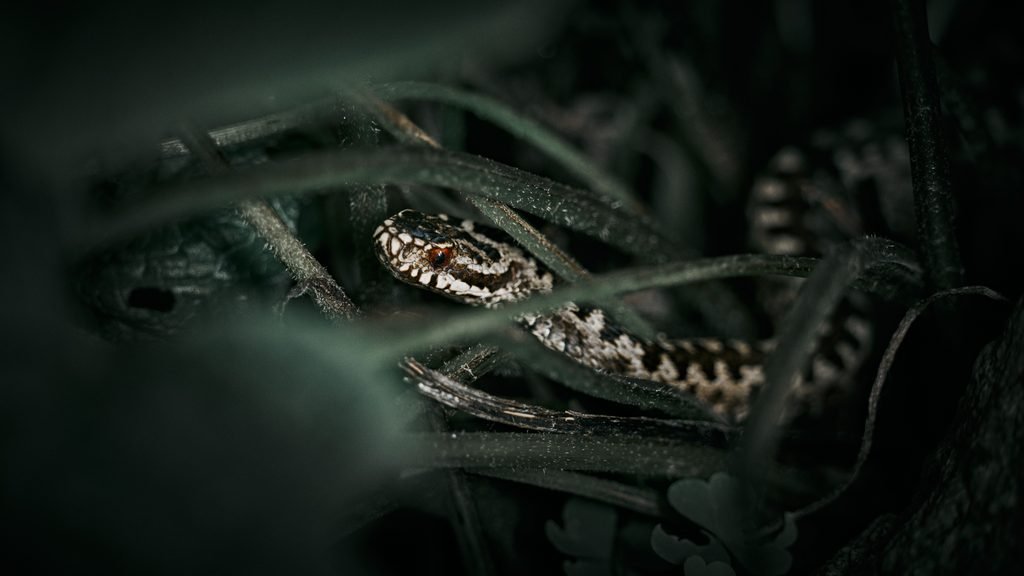
/ Photo by PexelsIn dream interpretation and psychological perspectives, snake dreams carry strikingly different meanings depending on the color, size, and situation:
| Dream Scenario | Traditional Omen / Psychological Meaning |
| Big Python (Gureongi) | Great Opportunity & Power: A giant snake entering the house or wrapping around you traditionally symbolizes substantial wealth, influence, or a conception dream (Taemong) for a leader. Psychologically, it reflects a turning point or a powerful surge of energy. |
| White Snake (Baeksa) | Rare Blessings & Noble Success: Extremely rare in nature, a white snake represents sacred favor, remarkable academic or business success, or noble honor coming your way. |
| Viper / Red Snake | Conflicts & Hidden Anxiety: A bright or venomous snake highlights internal anxiety, interpersonal friction, or a warning to guard your health and avoid toxic temptations. |
| Chased or Bitten by a Snake | Chased: Emotional pressure and the urge to run from a daunting problem. Bitten: Interestingly, if a bite causes pain or bleeding, it is often seen as a positive breakthrough—breaking through stagnation to bring unexpected financial gain or new agreements. |
💡 A Humanistic Perspective:
Psychologically, a snake in a dream often symbolizes intense energy or subconscious fear that feels beyond your control. Rather than obsessing over rigid dream interpretations, it is far wiser to use the dream as a gentle mirror to reflect on what emotions are currently stirring in your heart.
Returning to our opening question: how does the Bible handle the symbol of the snake? Across Scripture, the serpent appears in remarkably varied and deep contexts:
1) The Serpent of Genesis — Temptation and Free Will
In Genesis 3, the serpent converses with Eve, prompting her to doubt God’s word. The key here isn’t a biological query about how a reptile physically vocalized sound.
In ancient Near Eastern literature, the serpent was the ultimate metaphor for subtle, crafty cunning. Genesis uses the serpent as a brilliant rhetorical narrative tool to dramatically illustrate how pride—the desire to “be like God”—and subtle doubt enter the human heart.
2) The Bronze Serpent of Numbers — Healing Beyond Despair
When the Israelites grumbled in the wilderness and suffered venomous snakebites, God instructed Moses to make a bronze snake and lift it high on a pole. Anyone who looked upon the bronze snake lived.
Here lies a profound paradox: the very symbol of fear and mortality (the snake), when looked upon through faithful obedience, becomes a pathway of healing and salvation. This served as a prophetic foreshadowing of Jesus Christ lifted on the cross to redeem humanity.
3) The Ancient Serpent of Revelation — Vigilance Against Evil
In the final book of the New Testament, Revelation references “that ancient serpent called the devil, or Satan, who leads the whole world astray.” Scripture draws upon ancient imagery to depict the root of deception and spiritual division.

Photo by PexelsI still vividly recall the chilly, heart-pounding terror I felt as a little boy coming face-to-face with a snake in the tall grass along the paddy path.
Yet today, with silver hair and decades of life behind me, recalling those countryside days brings forth memories far warmer and clearer than the cold scales of a reptile:
The mud-stained hands of my childhood friends giggling as we lifted straw mats; the sun-browned face of the neighborhood ringleader roasting snake meat over a small fire; and my mother’s soft, gentle voice calling my name across the fields when dinner was ready as dusk fell.
Perhaps the reason we startle at a snake in our dreams—or wonder about the talking serpent in Genesis—is that life continuously presents us with subtle fears, uncertainties, and temptations.
Yet, just as a dream does not dictate our fate, what truly moves our lives forward isn’t fear itself. It is the warm memory of the people who walked alongside us through those fears, and the steady light of truth guiding our daily steps.
If a cold worry or snake-like anxiety creeps into your heart tonight, remember this: beyond the shadow of that fear lies a reservoir of warm memories, love, and grace holding you steady. Wishing you a peaceful, restful night.
DreamInterpretation, SnakeDreamMeaning, BiblicalPerspective, BookOfGenesis, BronzeSerpent, PsychologyOfDreams, ChildhoodMemories, Nostalgia, KoreanCulture, InnerPeace, FaithAndLife, PersonalReflection, OvercomingFear, MeaningOfDreams, CulturalInsights